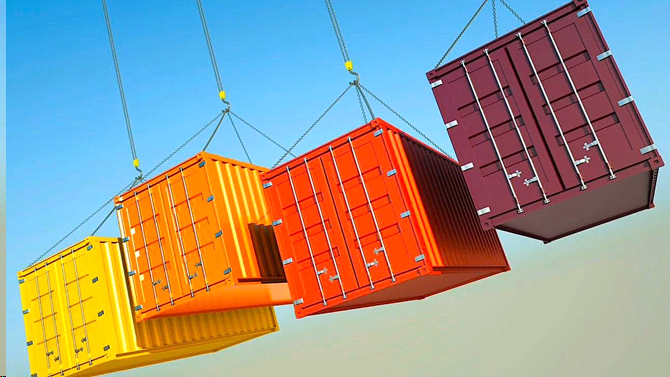
Undoubtedly, China has emerged as the world's leading manufacturing hub for shipping containers. The country's well-established industrial infrastructure, skilled workforce, and competitive production costs have made it a preferred location for container manufacturing. Major Chinese cities like Shanghai, Ningbo, and Shenzhen are home to numerous container production facilities, which cater to both domestic and international demand.
South Korea holds a prominent position in the global shipping container manufacturing industry. The country is known for its advanced technology, high-quality production standards, and innovative designs. Leading South Korean container manufacturers, such as Hyundai, have a strong presence in the market and supply containers to customers worldwide.
Japan, renowned for its engineering prowess, is another significant player in the shipping container manufacturing sector. Japanese companies, including Mitsubishi and Daikin, are recognized for their expertise in producing specialized containers, such as refrigerated or insulated units, to cater to specific cargo requirements.
Several European countries contribute to the production of shipping containers. Germany, in particular, boasts a robust container manufacturing industry, with companies like Hapag-Lloyd Container, CIMC German Engineering, and Cargotec operating production facilities. Other European countries, including Italy and the Netherlands, also have a notable presence in the container manufacturing sector.
Although the United States may not be the dominant player in container manufacturing, it still hosts several container production facilities. American companies like Wabash National Corporation and Stoughton Trailers manufacture containers to cater to domestic and international markets.
Beyond the major manufacturing hubs mentioned above, container production is carried out in various other countries worldwide. These include Vietnam, Malaysia, India, Thailand, and Brazil, among others. These countries often serve as manufacturing bases for global container manufacturers looking to diversify their production locations or tap into regional markets.
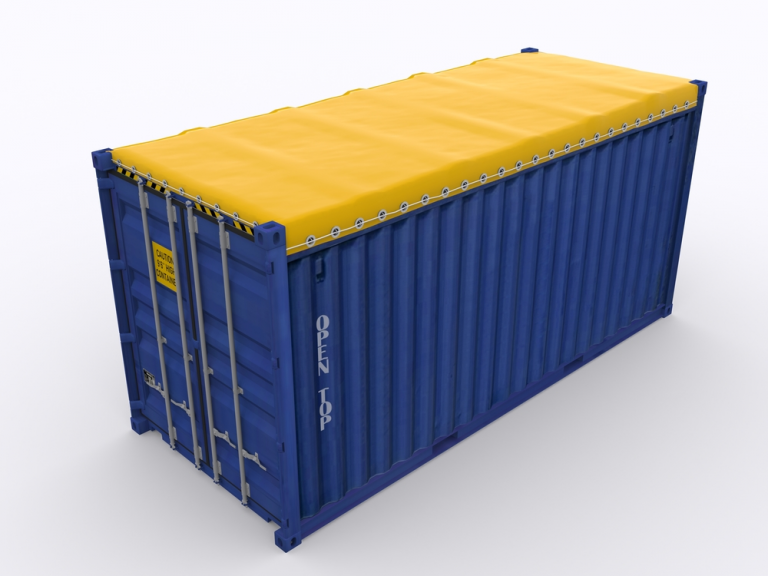
The production of shipping containers involves a complex supply chain that spans multiple countries. While some companies handle the entire manufacturing process internally, others outsource certain components or stages of production to different locations. For example, the production of steel panels, a key component of shipping containers, often takes place in countries like China or South Korea, where steel production is highly efficient and cost-effective. These panels are then transported to other locations for assembly and final finishing.
The use of shipping containers has had a significant impact on global trade. Prior to the introduction of containerization, goods were transported in a variety of ways, including loose in the hold of a ship, in sacks or boxes, or on pallets. This made loading and unloading slow and labor-intensive, and it often resulted in damage to the cargo.
With the introduction of standardized shipping containers, loading and unloading became much faster and more efficient. The containers could be easily moved from ship to truck to train without the need for unpacking and repacking. This reduced the time and cost of transporting goods, making it possible to move larger volumes of cargo at a lower cost.